André Lubbe – Certified Financial Planner
Updated 23 Sept 2026
There is a version of South Africa that still lives in the minds of many investors — and, more importantly, in the price of many South African assets. In that version, the lights go out. Ports are gridlocked. Empowerment policy is a compliance cost with no exit. Johannesburg is a cautionary tale rather than a capital city. One party governs indefinitely, while reform is announced more often than it is delivered.
That country was real. It is also increasingly out of date.
Over the past eighteen months, South Africa has made progress on several of the structural problems that damaged its growth story. Infrastructure is being rebuilt, logistics are being opened to private participation, policy is shifting towards measurable outcomes, Johannesburg has a formal and funded turnaround plan, and the country’s political landscape has fundamentally changed.
For households with substantial capital, the question is not patriotic. It is practical: if your portfolio was positioned during South Africa’s darkest years, what is it priced for now?
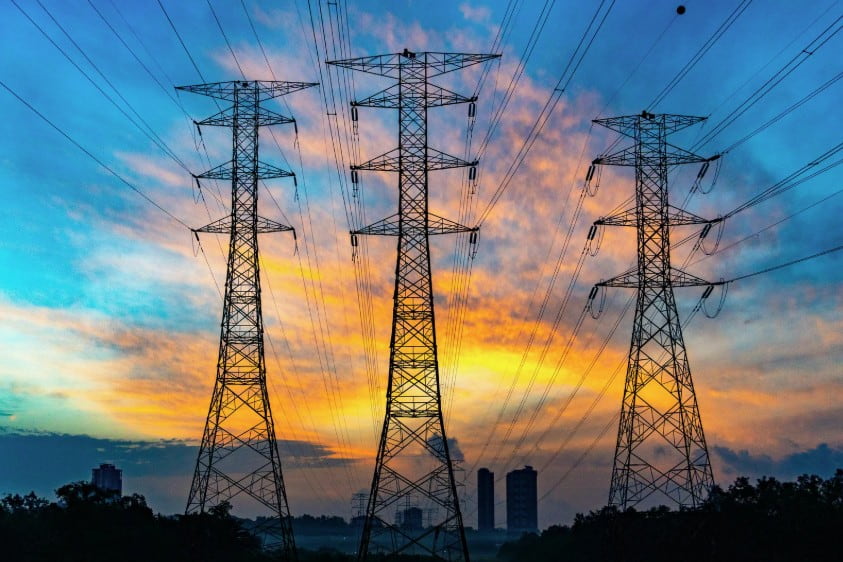
South African Investment Outlook: The Lights Have Stayed On
South Africa has recorded 483 consecutive days without loadshedding, stretching back to 16 May 2025 — a run that would have been unthinkable in 2023. This is not simply a lucky streak. Eskom’s year-to-date Energy Availability Factor stands at 67.78%, its highest in six years, while unplanned outages have fallen from 26.61% to 19.43%.
Diesel expenditure — the emergency spending that helped keep the grid operating at enormous cost — has fallen by R4.84 billion, or roughly 82%. The significance goes beyond electricity. When businesses no longer have to budget around generators, diesel and unpredictable power interruptions, they can begin budgeting for growth, investment and productivity. The distinction matters for investors because a business planning around reliable infrastructure operates very differently from one simply trying to keep the lights on.
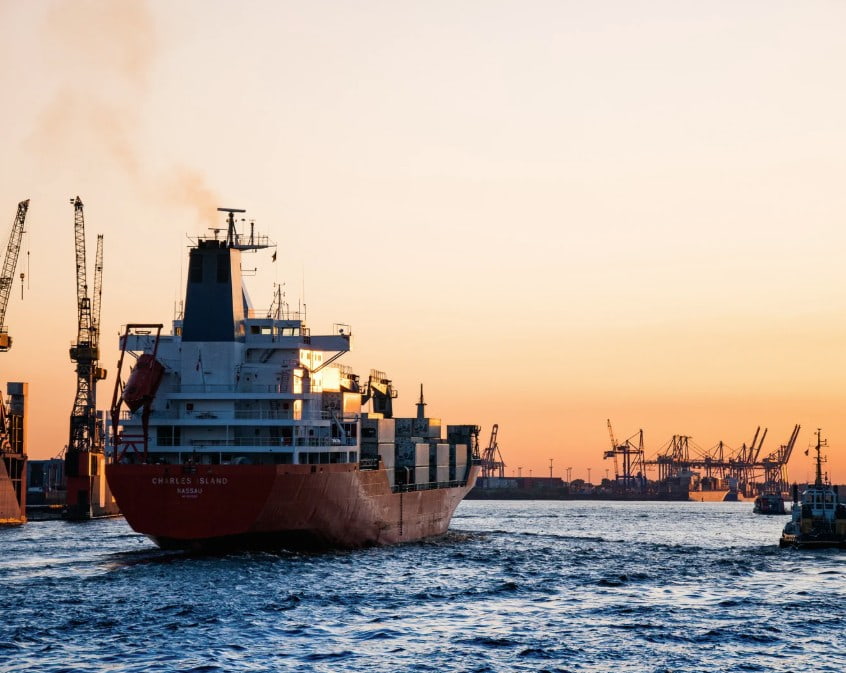
South African Infrastructure and Investment: Logistics Reform
Electricity was the most visible infrastructure crisis. Logistics has arguably been the more expensive one, and it is where some of the more structurally significant changes are now taking place.
In December 2025, Transnet concluded a 25-year concession with International Container Terminal Services for Durban’s Pier 2, which handles roughly 40% of the country’s port traffic. Around R11 billion of private capital is earmarked to increase capacity from 2 million to 2.8 million 20-foot containers. Transnet retains a majority stake while the private operator runs the terminal.
The approach is now being replicated at the Richards Bay Dry Bulk Terminal, Cape Town’s multipurpose terminal, which was recently ranked last out of 400 ports globally, and an LNG facility in Ngqura. Third-party rail operators are also now permitted to use Transnet’s network.
The model resembles the landlord-port model used across Europe and Latin America: the state retains infrastructure ownership while private operators contribute capital and operational expertise. But the reform is not proceeding smoothly. In August 2026, freight forwarders escalated an operational crisis at Durban to the Presidency after a systems migration at the newly concessioned terminal caused serious gridlock.
That matters because it prevents an overly simplistic reform narrative. The direction of travel has changed, but execution remains difficult. For investors, both facts matter.
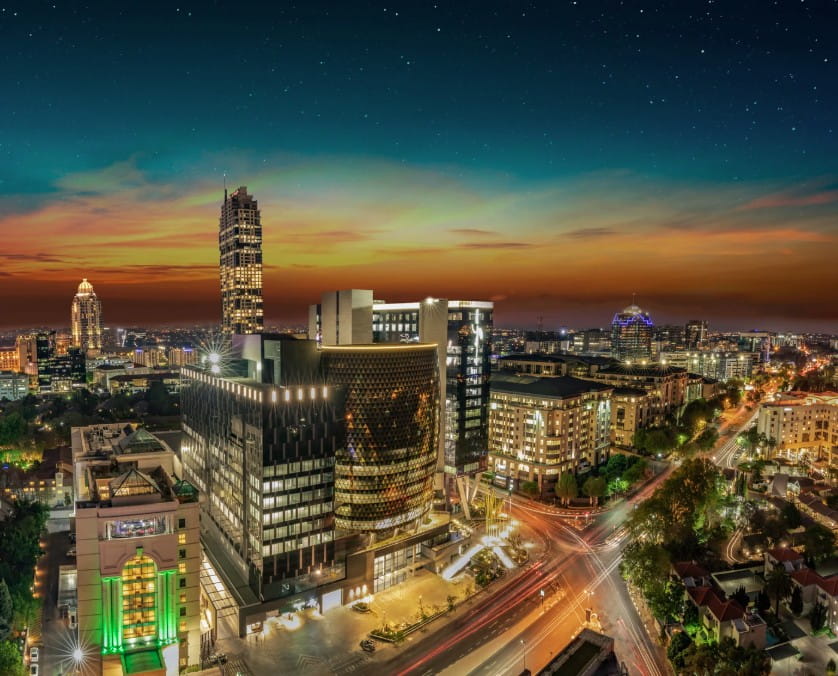
South African Investment and the Changing Political Landscape
Much of the commentary around the 4 November 2026 municipal elections presents them as a possible turning point. But one of the biggest political changes has already happened.
South Africa exited single-party dominance in 2024. The governing party received 40.18% nationally and now governs in coalition. Recent polling puts it near 31% ahead of November, with fragmentation rather than replacement the dominant pattern, and most metros expected to remain hung.
For investors, the question is therefore less about which party wins and more about whether coalition government can deliver competent administration. Coalition government is no longer simply a transitional possibility. It is increasingly part of South Africa’s operating environment.
So far, national coalition politics has been survivable and has not derailed the Eskom and Transnet reform agenda. Municipal coalition politics has been considerably more difficult. The practical investment consideration is that a government that must negotiate also operates within a more contested system of accountability.
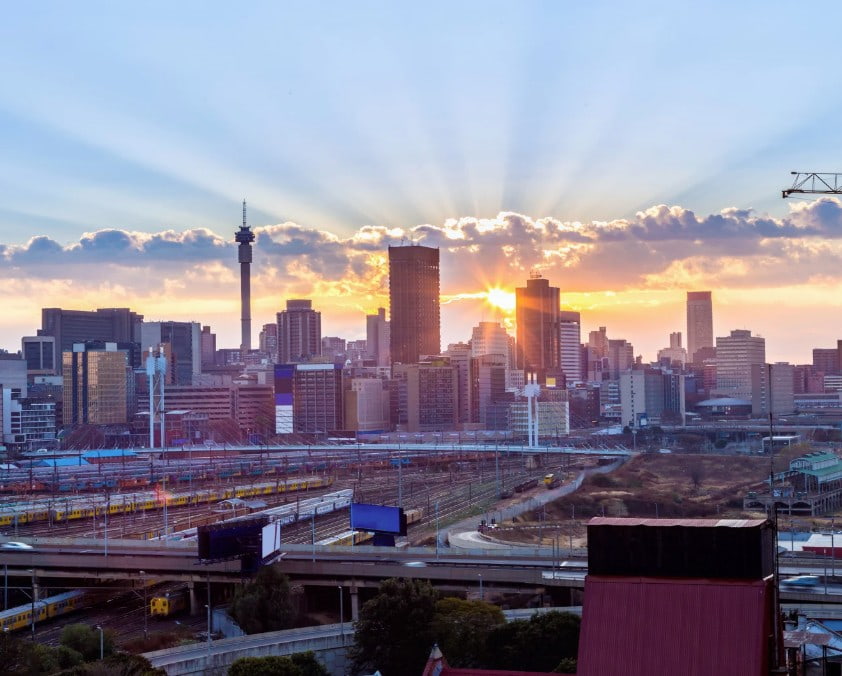
Johannesburg Investment: A City Finally Gets a Turnaround Plan
If one city represents the infrastructure and administrative decline of the past decade, it is Johannesburg. The city still accounts for roughly 15% of national GDP, but its unpaid bills have grown from approximately R15 billion in 2014/15 to around R72 billion a decade later. At the same time, infrastructure investment has fallen by nearly 70% per resident over the same period.
That has now attracted a different kind of intervention. On 15 September 2026, National Treasury announced a three-year turnaround plan developed with the Development Bank of Southern Africa, following its earlier decision to withhold budget allocations from the city over wasteful spending.
Finance Minister Enoch Godongwana has stated that the plan runs through November’s elections and will continue regardless of which coalition ultimately governs the city. The intention is to insulate the fiscal rescue from an uncertain election result. Gauteng’s provincial government has separately committed R8–10 billion to refurbish the CBD and government precincts.
The important difference is the mechanism: this is a funded, Treasury-led commitment, rather than a once-off intervention that disappears when political attention moves elsewhere. For investors with Johannesburg-linked municipal paper or commercial property exposure, one indicator matters more than the political noise: whether suppliers actually start getting paid on time over the next twelve months. That will provide a more useful measure of progress than speculation about who governs Johannesburg after November.
The Risks Still Facing South African Investors
A financial plan built on national sentiment is not a financial plan. South Africa’s economy contracted 0.2% in the second quarter. Inflation was 4.3% in July, still above the Reserve Bank’s new 4% ceiling, with prime at 10.50% and the Bank tightening rather than easing.
And structural reform takes time. The benefits of reforms of this scale are measured in years. Per-capita income is unlikely to reflect the full impact of structural reform in ten months; it can take ten years.
There is also a psychological risk. South African investors spent years under-allocated to domestic assets for understandable defensive reasons. The temptation now may be to reverse that position too aggressively. That would simply replace one emotional investment decision with another.
What Does This Mean for Your South African Investment Portfolio?
For a decade, a defensive South African investment posture was understandable. The evidence now points towards something more nuanced.
South Africa is making slow, real and contested progress on several of the constraints that mattered most: energy reliability, logistics and port efficiency, the policy framework governing business, the financial position of major municipalities and the country’s political structure.
None of this removes the risks. It does, however, raise an important investment question: Is your portfolio still positioned for the South Africa of the past decade — or for the country that is emerging now?
For investors with substantial and complex balance sheets, that question deserves more than a headline.
Affluence Capital provides financial planning, investment and estate advice tailored to substantial and complex balance sheets. To review how your portfolio is positioned, contact us to arrange a confidential conversation.
This article is for general information and does not constitute financial advice. It reflects no political endorsement. Data referenced is current as at September 2026 and is subject to change. give me image suggestions for this post