By André Lubbe – Certified Financial Planner
Updated 16 March 2026
Geopolitical conflicts can shake financial markets overnight. The recent escalation in the Operation Epic Fury on 28 February 2026 has created significant volatility across global markets.
For South African investors with global portfolios, the effects go far beyond stock markets. The conflict influences fuel prices, inflation, the rand, and global supply chains.
Here’s what you need to know.
1. Oil Prices Are Rising – And That Affects Everything
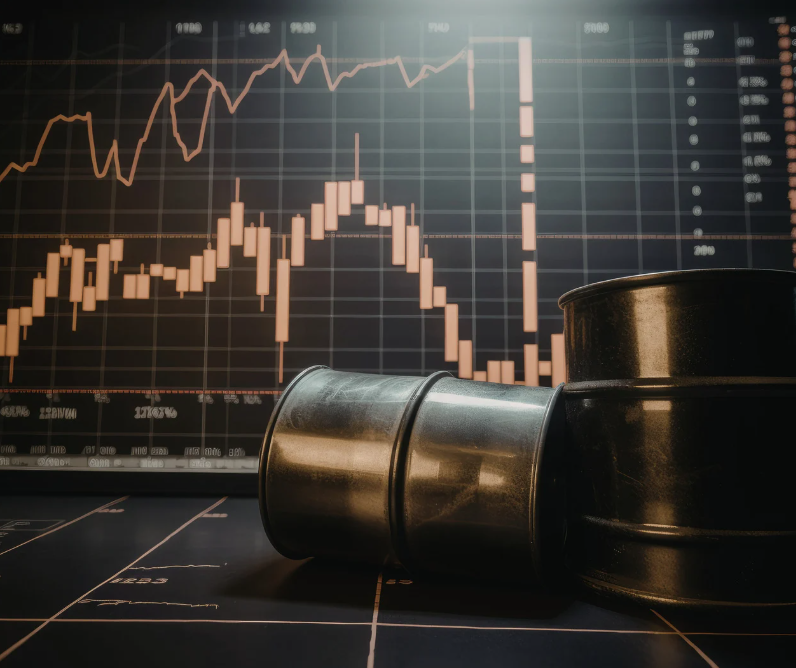
One of the first global reactions to the conflict was a sharp spike in oil prices.
- Brent crude oil jumped more than 25%, briefly reaching around $119 per barrel.
- The surge is driven by fears that shipping through the **Strait of Hormuz could be disrupted.
What this means for South Africa
Higher oil prices affect almost every part of the economy.
- Petrol prices could increase between R5 and R8 per litre
- Transport and production costs rise
- Inflation pressure increases
South Africa’s inflation rate was 3.5% in January 2026, but rising energy costs may force the South African Reserve Bank to delay expected interest rate cuts or even consider raising rates again.
2. The Rand Weakens During Global Uncertainty
When geopolitical risk increases, global investors usually move their money to “safe-haven” assets like the US dollar and gold.
This has already affected the rand.
- The **South African Rand weakened from around R15.90/$ to approximately R16.75/$ after the conflict began.
Why this is not all bad for investors
A weaker rand has a surprising benefit for investors with offshore assets.
If you own global investments denominated in US dollars:
- Their rand value automatically increases
- Your offshore portfolio acts as a natural currency hedge
While everyday living costs rise locally, global investments can help cushion the impact.
3. Different Investments React in Different Ways
One of the biggest benefits of diversification is that not all assets react the same way to geopolitical shocks.
Gold and commodities rise
Gold has surged toward $5,400 per ounce, benefiting mining companies such as:
- Harmony Gold
- Sibanye-Stillwater
These companies often perform well during global uncertainty because investors view gold as a safe-haven asset.
Technology stocks feel pressure
Growth sectors like global tech have struggled as investors become more cautious. Companies linked to major tech exposure, including:
- Naspers
- Prosus
have experienced volatility as investors rotate into defensive assets.
Bonds also face pressure
South African government bonds have experienced their largest selloff since the pandemic, pushing yields higher as markets price in potential interest rate increases.
4. Global Supply Chains Are Under Pressure
The conflict is also disrupting international shipping and logistics.
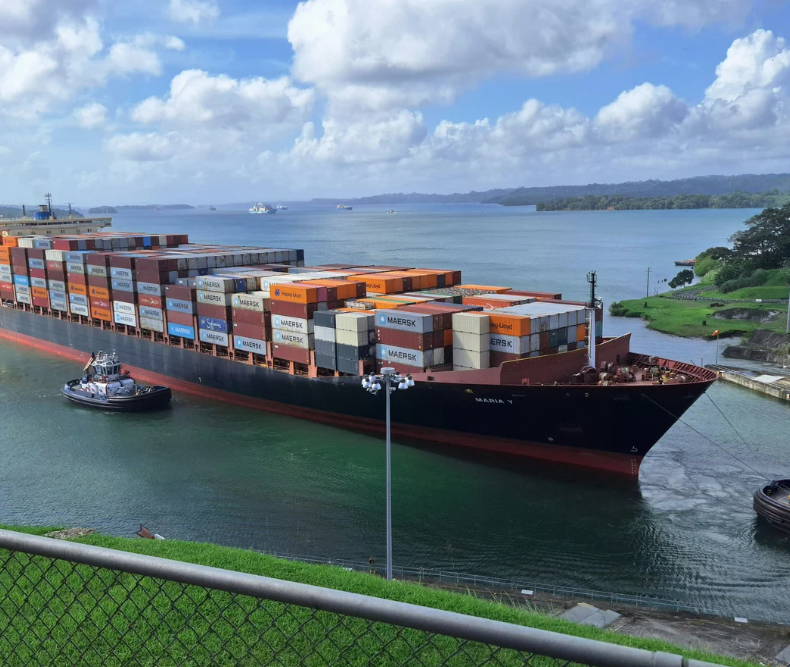
Major shipping routes are affected because vessels are avoiding the **Strait of Hormuz.
Companies such as Maersk have rerouted ships around the Cape of Good Hope, which adds:
- 10–14 extra days to shipping times
- Around $1 million in additional fuel costs per vessel
Industries most affected
Several critical industries may experience shortages:
- Semiconductors from Asia
- Pharmaceutical exports from India
- Fertiliser components such as ammonia and nitrogen
- Helium, which is essential for semiconductor manufacturing
Air cargo capacity has already dropped about 18% due to airspace closures in the region.
What Investors Should Do Now
Periods of geopolitical turmoil are uncomfortable but not unusual in financial markets.
Historically, unless energy supply disruptions last for years, markets tend to recover over time.
According to National Treasury of South Africa, the country’s improved fiscal position provides some protection against external economic shocks.
The most important lesson
For long-term investors, volatility is often a test of discipline rather than a signal to sell.
Selling investments during market panic can lock in short-term losses just before markets recover.
The best defence remains:
- A well-diversified global portfolio
- A long-term investment strategy
- Avoiding emotional decisions during market turbulence
Key Takeaway:
Geopolitical events like the Iran conflict can cause short-term market volatility, but a diversified portfolio is designed to weather these shocks. Staying invested and sticking to your long-term plan is often the smartest move.